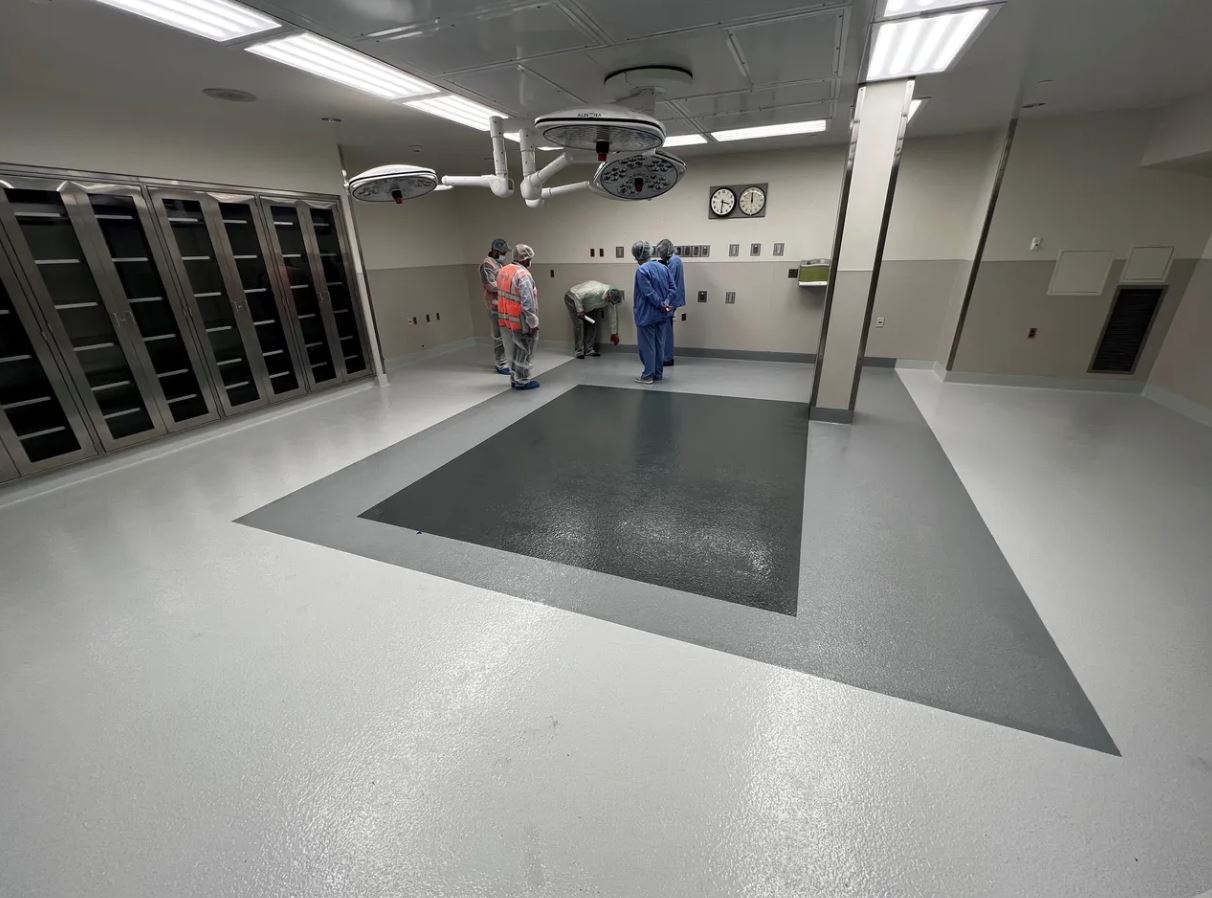
Think of old concrete like an old house. It needs some care before you put new flooring down. That's where surface restoration comes in. We grind down the concrete, patch cracks or holes, and get it ready for a new coating system. We don't just slap something on top and hope for the best.
First, assess the concrete. What shape is it in? Are there many cracks? Is it uneven? Then comes the process. Grinding usually comes first to remove old coatings or roughen the surface. Patching fills imperfections. Finally, get the concrete to the right CSP for the new flooring. This is important. If you skip this step, the new flooring might not stick. Looking for a reliable Flooring Contractor in Denver residents depend on for professional flooring services.. It could peel or crack. You don't want that after investing in new floors.
For Denver homeowners, commercial property owners, or anyone with real estate here, remember that Colorado weather is hard on concrete. Freeze-thaw cycles can cause damage. So, surface restoration is key to extending the life of your concrete and making sure your new flooring looks good for years. Doing it right saves headaches later.
Surface restoration work revives old, worn concrete so you can install a new flooring system. This includes grinding high spots, patching cracks, and applying a skim coat to level everything. It makes the surface look good and ensures the new floor sticks and lasts.
First, figure out the issues. Assess the damage, like cracks, stains, and unevenness. Then comes the work. Grinding removes old coatings or rough patches. Patching fills holes and cracks. Next, a self-leveling underlayment might be needed to create a smooth base.
Why do this? If you skip these steps, the new floor could fail. It might not stick, causing bubbles, cracks, or complete separation. You would then pay to redo the job, which no one wants. Doing it right from the start saves headaches. Also, a prepped surface extends the life of your flooring system, so you get more for your money.
Denver's climate punishes concrete with freeze-thaw cycles and intense sun. This constant expansion and contraction causes cracks and surface damage. Coatings won't last on damaged concrete. Assessing and restoring the concrete surface comes first, before you apply a new flooring system or protective coating. Otherwise, you waste money and create future problems.
Surface preparation has key steps. First, clean the concrete and remove dirt, oil, or old coatings. Then, patch cracks and spalls with concrete repair mortar. Grinding down high spots creates a level surface. This stage matters because it affects how well your new coating sticks. Skip steps, and expect the coating to fail early. That means more costs and headaches.
Concrete Surface Profile, or CSP, measures concrete's roughness. A comparator, a set of surface profiles, measures it. The goal? Reach the CSP the coating maker suggests. If it's too smooth, the coating won't bond. If it's too rough, you'll use too much coating, and it still might not stick. Getting the CSP right matters for long-term coating performance and life.
Picking the right coating matters as much as preparing the surface. Think about how you will use the space, how much traffic it will get, and if it will be exposed to chemicals. Epoxy coatings work for garages and industrial spots. Acrylic sealers often work for outdoor patios and walkways. Pick a coating that works with the concrete surface and the CSP. Don't grab the cheapest choice. Instead, buy a quality coating that handles Denver's climate.
Investing in concrete surface restoration and CSP measurement makes sense for Denver homeowners, property owners, and real estate investors. It makes your concrete surfaces last longer, protects your investment, and makes your property look better. Follow these steps to make sure your coatings protect against the elements and daily wear. It might seem like work now, but it pays off later.
Before you install a new flooring system on concrete, fix any damage or wear, especially if the concrete is old. This means grinding down high spots and patching cracks or holes. You might also apply a base coat to level everything. This is like prepping a canvas before painting. The better the prep, the better the final result. If you skip this step, your new floor could end up uneven. It might even fail because it's not properly bonded to the concrete. This isn't just about looks. It's about making sure the floor lasts.
How do you know if your concrete is ready for a new coating? That's where measuring the Concrete Surface Profile (CSP) helps. There are a few ways to measure CSP. One way is to compare your surface to reference chips. It's easy and inexpensive, but it's also subjective. Another way involves replica putty. You press a putty-like material onto the surface, peel it off, and compare it to a standard. This is more accurate than visual comparison, but it can still vary. The most precise method uses a profilometer. This tool measures the surface roughness with a probe. It gives you a number you can trust, but it's also the most expensive option. The best choice depends on how important adhesion is for your flooring system.
When preparing concrete for a new coating, one way to check the surface involves CSP chips. CSP stands for Concrete Surface Profile. These chips are small standards that you can hold up to the concrete and compare visually.
The chips feature different roughness levels. A CSP 3 chip is rougher than a CSP 1. The goal is to match the concrete surface to the CSP level that the coating needs. This makes sure the coating sticks to the concrete.
The upside? It's easy to do. Anyone can hold a chip up to the floor. The problem? It's subjective. One person's CSP 3 might be another's CSP 2. Lighting and eyesight can affect it. This is a problem because if you *think* you have a CSP 3, but it's lower, your coating might not stick. Then you will have to redo it.
CSP chips are a good start, but use them with other methods to get the surface profile right. You want to be sure, not guess.
A useful method for figuring out the CSP involves replica putty. You make a mold of the surface.
You press the putty onto the prepared concrete, let it harden, and then peel it off. This gives you a negative impression of the surface profile. You can analyze this replica to determine the CSP.
The great thing about replica putty is its accuracy. It captures subtle variations in the surface texture. These details affect how well your coating adheres.
Now, let's talk cost. Compared to some methods, replica putty is cost-effective. You don't invest in expensive equipment. It’s about the material and the labor to apply it correctly.
It's not perfect, though. The accuracy depends on getting a good impression. If you don't press the putty firmly enough, or if there's debris on the surface, your replica won't be accurate. If the replica is off, you won’t know the true CSP, and you could end up with coating failures. So, while it’s cost-effective, you have to do it right.
You have a concrete surface that has seen better days. Maybe it's cracked, uneven, or worn. Before installing a new flooring system, you must address the existing surface. That's where restoration comes in.
The process involves a few steps. First, assess the damage. How extensive is it? Are there deep cracks? Is the surface contaminated with oil or old coatings? This assessment informs the restoration plan.
Then comes the work. Grinding levels the surface and removes old coatings. Patching fills cracks and holes. You might apply a self-leveling compound to create a smooth base. Proper prep ensures the new flooring bonds correctly.
Here is why this matters: If you skip restoration and install new flooring over a damaged surface, you risk problems. The new flooring could crack, peel, or fail too soon. You will spend more money later.
Restoring worn concrete extends its life. It's essential for professional, lasting results, especially on older concrete. It's a multi-step process, and cutting corners will cause problems.
When working with older concrete, you often need to revive the surface before installing a new floor. This often means a few steps. First, you assess the damage, such as cracks and spalling. Then comes the restoration: grinding high spots, patching holes, and maybe applying a cement-based coating to level the surface.
Why do this? A well-restored surface helps the new flooring stick and last. Think of it like building a house on a solid base.
How do you know if the surface restoration is good? Industry standards help. Groups like the International Concrete Repair Institute (ICRI) and ASTM International have guidelines for Concrete Surface Profile (CSP). These guidelines, like ICRI Technical Guideline 310.2R, offer visual references and tests to ensure the prepared concrete surface meets the needs of the new flooring or coating.
CSP measures the roughness or texture of the concrete. Different coatings require different roughness levels to bond. By following ICRI and ASTM standards, you get a consistent approach. Everyone understands the requirements, and you can be sure the surface preparation is good. This helps prevent coating failure or peeling later. It’s about doing it right the first time, saving you from redoing it later.
When working with older concrete, especially before installing a new floor, think about surface restoration first. We're talking about concrete that's worn down. Maybe it's cracked, chipped, or uneven. The goal? Return it to a good state, ready for your new flooring.
The process starts with assessment. What's the concrete's condition? Are there cracks that need patching? Is the surface rough, or are there deeper problems? You might need to grind down high spots. Then fill cracks or holes with patching compound. Applying a coating to seal and protect the surface is also important.
Why do all this? If you skip these steps, you're asking for trouble. New flooring might not stick to a damaged surface. You could end up with an uneven floor. Or worse, the new floor could crack and fail early. It’s like building on a shaky foundation.
Think of it as extending the life of your concrete. Plus, a restored surface looks better. You'll get a more professional, lasting result if you do it right. Especially in a place where the freeze-thaw cycle affects concrete, restoration is a smart move.
Surface restoration is key when dealing with older concrete before you install new flooring. Think of it this way: you would not build a house on a cracked foundation, right? It is the same idea here. Over time, concrete wears down. Maybe it has old coatings, cracks, or just general wear. If you try to put a new flooring system on top of that, you are asking for trouble.
Restoration involves a few steps. First, you have to assess the surface. What is the existing CSP? Are there cracks? Is the old coating failing? Then comes the actual work. Grinding down the surface is common to remove old materials and level things out. Patching fills in cracks and imperfections. Sometimes, a skim coat is applied to create a smooth, even base. The goal is to get the concrete back to an optimal condition—a clean slate—before applying any new coatings or flooring.
What happens if you skip this step or do not do it right? Well, if the CSP is not right—either not rough enough or too rough—your new coating can fail. Insufficient CSP means the coating will not properly adhere, leading to delamination. That is when the coating peels away. Too much CSP, and you might use too much coating material trying to fill in all those peaks and valleys. Either way, you are looking at a reduced lifespan for your flooring system and potentially costly repairs later. Doing it right extends the life of the surface and ensures a professional, long-lasting result.
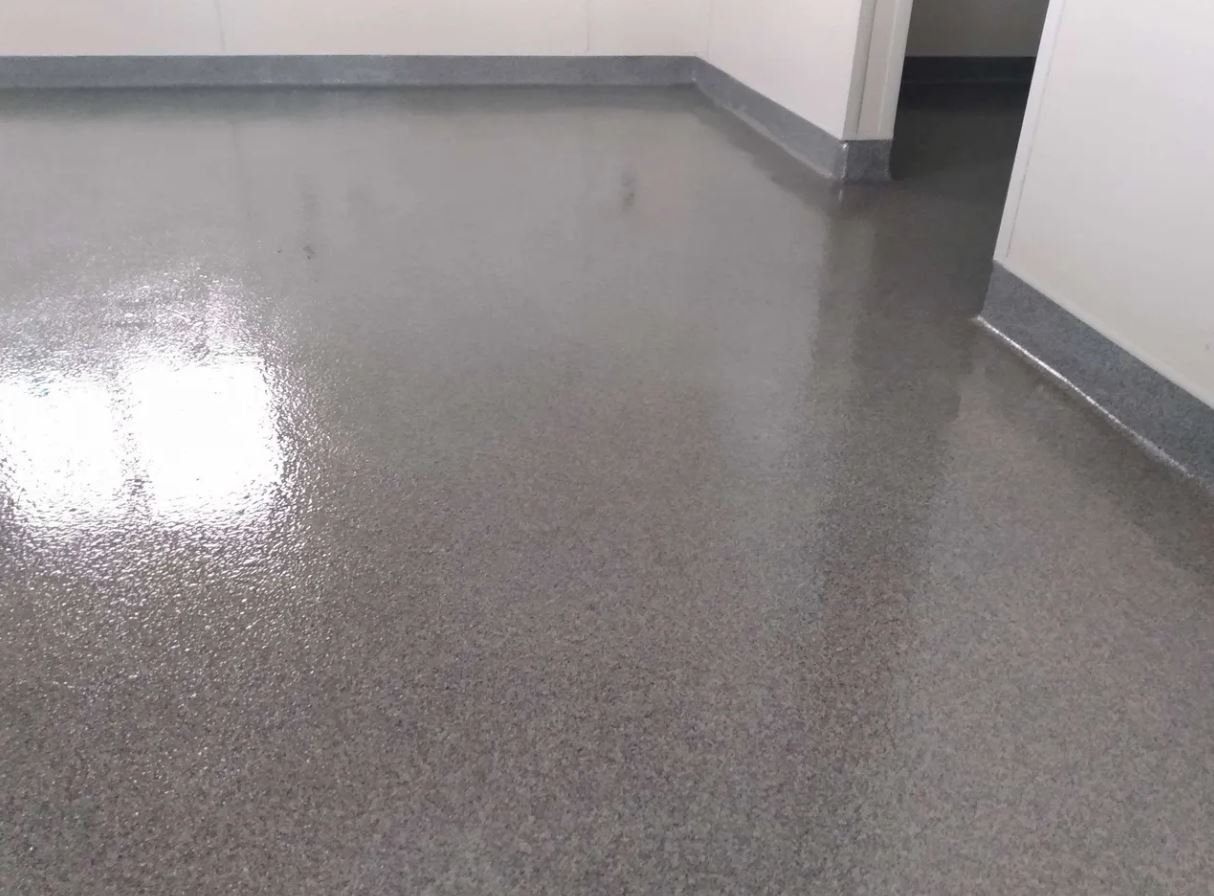
Do you have worn-out concrete? Before you install a new flooring system, prep the surface. You wouldn't build a house on a shaky foundation. This is the same idea.
First, assess the damage. Are there cracks, pitting, or peeling coatings? You must address all of it. For Denver projects, factor in the freeze-thaw cycle. It can damage concrete, creating more cracks than in other climates.
The workflow is usually: cleaning, grinding, patching, and coating. Cleaning removes dirt, oil, and old adhesive. You might need a degreaser and a power washer. Next, grind the surface. This smooths the surface and removes imperfections. You'll need a concrete grinder with diamond grinding pads. Start with a coarse grit and move to a finer grit for a smooth finish. Wear a respirator because concrete dust is harmful.
Patch cracks and holes. Use a concrete patching compound and follow the instructions. Let it cure before moving on. Finally, apply the coating. This could be an epoxy or a sealant. Apply it evenly and let it dry. If you skip steps, the new flooring may fail. You might end up with bubbles or peeling. No one wants that.
Before you measure the concrete surface profile (CSP), you must clean the surface. Get it really clean. Remove any dirt, oil, old coatings, or anything else that could affect your readings. Think about weighing something on a scale. You would not stand on it with rocks in your pockets, right? It is the same idea.
Why is this so important? If you do not clean the surface first, you are measuring the gunk, not the concrete profile. That leads to inaccurate CSP readings. Then coatings do not stick the way they should. That causes problems and wasted money later.
So, how do you clean it? It depends on what you are dealing with. For basic dirt and dust, scrub with a stiff brush and some water. For oil, grease, or tougher stuff, you need something stronger. Concrete degreasers work best. Follow the directions carefully. Rinse the surface well afterward. You do not want cleaner residue messing with the coating.
For tough stuff, consider media blasting or grinding. Remember, get down to a clean concrete surface before you measure that CSP. Otherwise, you risk failure.
When you work with older concrete, it sometimes needs serious prep before you add a new coating. Grinding and abrasive blasting can help. Grinding uses machines with rotating abrasive discs to smooth the surface, remove old coatings, or expose the aggregate. Abrasive blasting uses compressed air to shoot abrasive media at the concrete. It works well for removing tougher coatings and creating a rough surface.
The abrasive type matters. Sand is common, but you can also use steel shot, glass beads, and even crushed walnut shells. Each creates a different CSP and works better for some situations. Steel shot is strong, while walnut shells are gentler.
In Denver, you must consider dust and noise rules. Grinding and blasting can create lots of both, so contain the work area with plastic sheeting. Use HEPA-filtered vacuums to collect dust. You might schedule the work during off-peak hours to reduce noise. If you skip this, you might get fined or shut down.
Concrete surface profile (CSP) is crucial for coating adhesion. A properly prepared surface ensures a strong mechanical bond between the concrete and the coating. This bond prevents premature coating failure due to peeling or delamination, extending the lifespan of the protective layer.
Several industry standards define CSP grades, such as those from the International Concrete Repair Institute (ICRI). These standards provide a consistent method for specifying and measuring surface roughness. Adhering to these standards ensures clear communication and quality control in coating applications.
Various methods exist for measuring CSP, including visual comparison, replica putty, and laser profilometry. Visual comparison uses standardized chips to estimate the profile. Replica putty captures an impression of the surface, while laser profilometry provides a precise digital measurement.
Do you see cracks, spalls, or other damage? You can't just apply a coating and expect it to last. You have to fix those surface defects first. Think of it like building a house; you need a solid foundation. It's the same here.
To get a uniform CSP, which helps coating adhesion, you must patch and repair any flaws. For small cracks, a concrete patch works well. You can find these at any home improvement store. Clean out the crack, put on the patch per the directions, and smooth it.
For bigger problems, like spalling (where concrete pieces have broken off), you might need a stronger repair mortar. These are often epoxy-based and create a strong bond. Again, prep matters: remove any loose concrete, clean the area, and follow the directions for mixing and use.
The aim is to make the damaged areas level with the concrete around them. If you don't, your coating will be uneven, and it's more likely to fail. Also, those defects will show through the coating, making it look bad. No one wants that! After the patch has cured, you might need to grind it down a bit to get a smooth change. It's about making a steady surface for that coating to grab.
Before you measure Concrete Surface Profile (CSP), prep work might be needed. We're talking about restoring the concrete. Concrete wears down over time. It might have cracks, or it might be uneven. You can't just put a new floor on top and expect it to last. Surface restoration matters.
First, check the damage. Are there just a few cracks, or is the whole surface crumbling? This decides how much restoration is needed. For minor damage, grinding the surface might work. This makes a smooth, even base. For bigger problems, you might need to patch holes or apply a self-leveling underlayment. Think of it as prepping a canvas before painting.
But there's more. Cleaning matters. Remove any dirt, oil, or old coatings. These can mess with the new flooring's grip. Once the surface is clean and level, you can think about CSP. Surface restoration isn't just about looks. It's about making a solid base for your new flooring system. Skip this, and you're asking for trouble. You'll get flooring that peels, cracks, or doesn't last. And nobody wants that.
Restoring concrete surfaces before new flooring goes down matters, especially if the concrete is old or damaged. Think of it this way: you would not build a house on a shaky base, right? The same idea applies here.
First, assess the concrete. Look for cracks, chips, and uneven spots. Grinding down the surface is often needed to get it level. Patching fills in cracks and holes. Then, a good coating protects the concrete and gives the new flooring something to grip.
Skipping these steps? That is a mistake. Your new floor could fail. It might not stick, or it could crack along with the damaged concrete underneath. This extends the surface's life and gets a professional, lasting result. It is not just putting down new flooring; it is making sure it stays put for years.
Let's examine real-world examples where correct concrete surface profile (CSP) measurement mattered. Consider a homeowner who wanted us to restore their garage floor. It was cracked, stained, and looked bad. We ground it down, patched the cracks, and ensured the CSP was correct for the epoxy coating. Because we measured the CSP and prepped it correctly, the coating bonded well. Now, years later, it still looks great and is easy to clean. That adds value to their home.
Commercial properties also benefit. We worked on a retail space downtown where the old floor was a mess due to high traffic and wear. We used aggressive grinding to get the right CSP for a heavy-duty polyurethane coating. This focused on durability. Without the CSP check, that coating would have failed quickly, costing them a lot in repairs.
Real estate investors should pay attention. Picture flipping a property with a concrete basement floor. A quick, cheap paint job might look okay at first, but without correct CSP prep, it will peel fast. Then, you have unhappy buyers and a reputation problem. Investing in surface restoration, including getting the CSP right for a quality coating, adds lasting value and avoids callbacks. Do it right the first time.
There are some misconceptions about CSP and how it relates to coatings sticking properly. Let’s clear a few of those up.
One big myth is that a higher CSP number *always* means better adhesion. This isn't necessarily true. You could grind too much and end up with a CSP that's higher than what the coating maker suggests. That can weaken the bond. Always check the coating specs!
Another thing people get wrong is thinking CSP is the *only* thing that matters. Surface cleanliness is huge! If you've got dust, oil, or old adhesive, it won't matter how perfect your CSP is. The coating will fail. So proper cleaning is key.
Also, some think you can guess CSP. No. You need roughness comparators–those little rubber or metal chips with defined profiles. Dragging your fingernail across the surface won't work. It's not a guessing game.
Finally, many assume that if the coating fails, the CSP was automatically wrong. But there are other reasons. Maybe the wrong coating was chosen for the setting. Maybe the concrete wasn't properly cured. Or maybe the applicator didn't mix the coating right. CSP is important, but it's just one piece of a bigger picture.
Surface restoration matters, especially for older concrete floors. Over time, concrete wears down with cracks and chips. Before you put down a new flooring system, get that concrete back into shape.
Think of it like this: you wouldn't build a house on a shaky foundation, right? Same here.
The process has a few steps. First, assess the damage. Then comes the work: grinding the surface to remove flaws, patching holes or cracks, and maybe applying a coating for a smooth, even base.
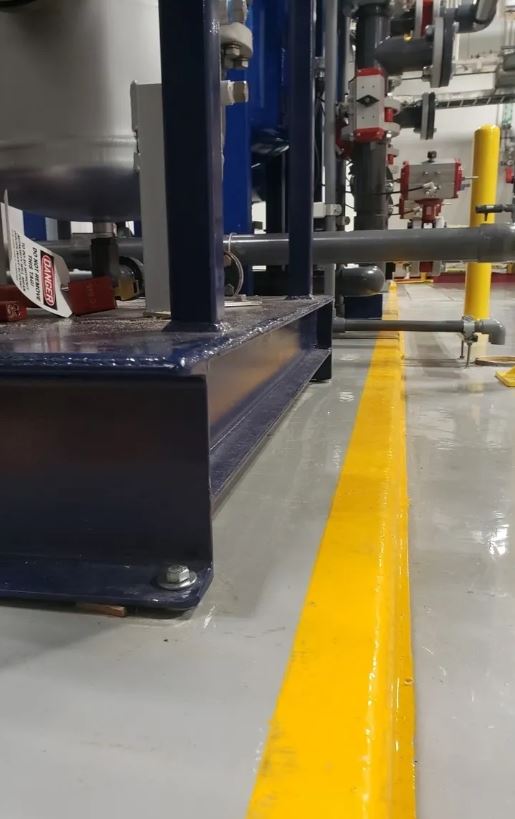
Why do this? It extends the life of your concrete floor. More importantly, it makes sure your new flooring system sticks. Skip this, and you risk peeling or bubbling. That wastes money.
Skipping surface prep is a mistake. It might seem like a way to save time and money now, but it'll cost you more later. Want pro results? Start with a solid foundation.
Before a new floor, address the old one. Concrete restoration matters. We mean grinding uneven spots, patching cracks, and prepping the surface for a new coating. Think of it as fixing damage.
Why do it? A sound surface is key for any flooring system. Skip this, and you risk failure. Coatings won't stick to damaged concrete.
The process starts with a check. How bad is the damage? Big cracks or small flaws? A plan comes from the check. It might mean filling cracks with epoxy or grinding areas with tools.
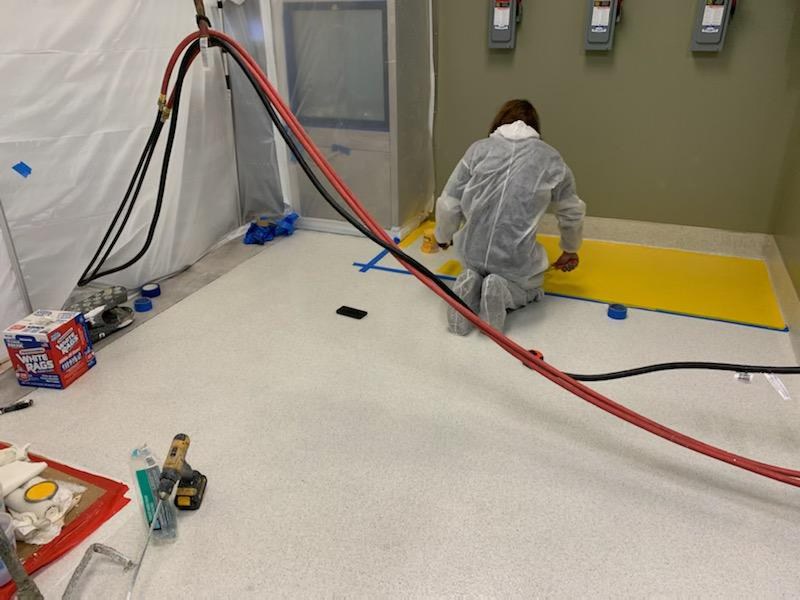
Getting this right matters, mostly with older concrete. It makes the surface last and ensures your new flooring looks good for years. Miss this, and you might see peeling coatings and cracks return.
Accurate CSP measurement matters a lot. It makes coatings stick better, extends flooring life, and protects your money. Denver property owners, focus on CSP in flooring projects. It pays off.